

That's Anger-Tainment
The Rise Of The New Right Wing Rage Baiters

At the start of the year, if you had asked me who Matthew Horncastle was, I’d have no idea. Now, he’s the darling of the Free Speech union for checks notes - paying to say dumb shit on a billboard. The Herald has platformed him, so too has the Centrist - neither of these are centrist publications and he’s shown up on disinformation spreading hub of far right hate, Reality Check Radio. He’s a current darling of the right wing, a social media commentator who says stupid things and hates the left for not being as capitalist as he is or something - honestly, I have no idea and I really don’t care. Everything I’ve learned about him has been against my will.
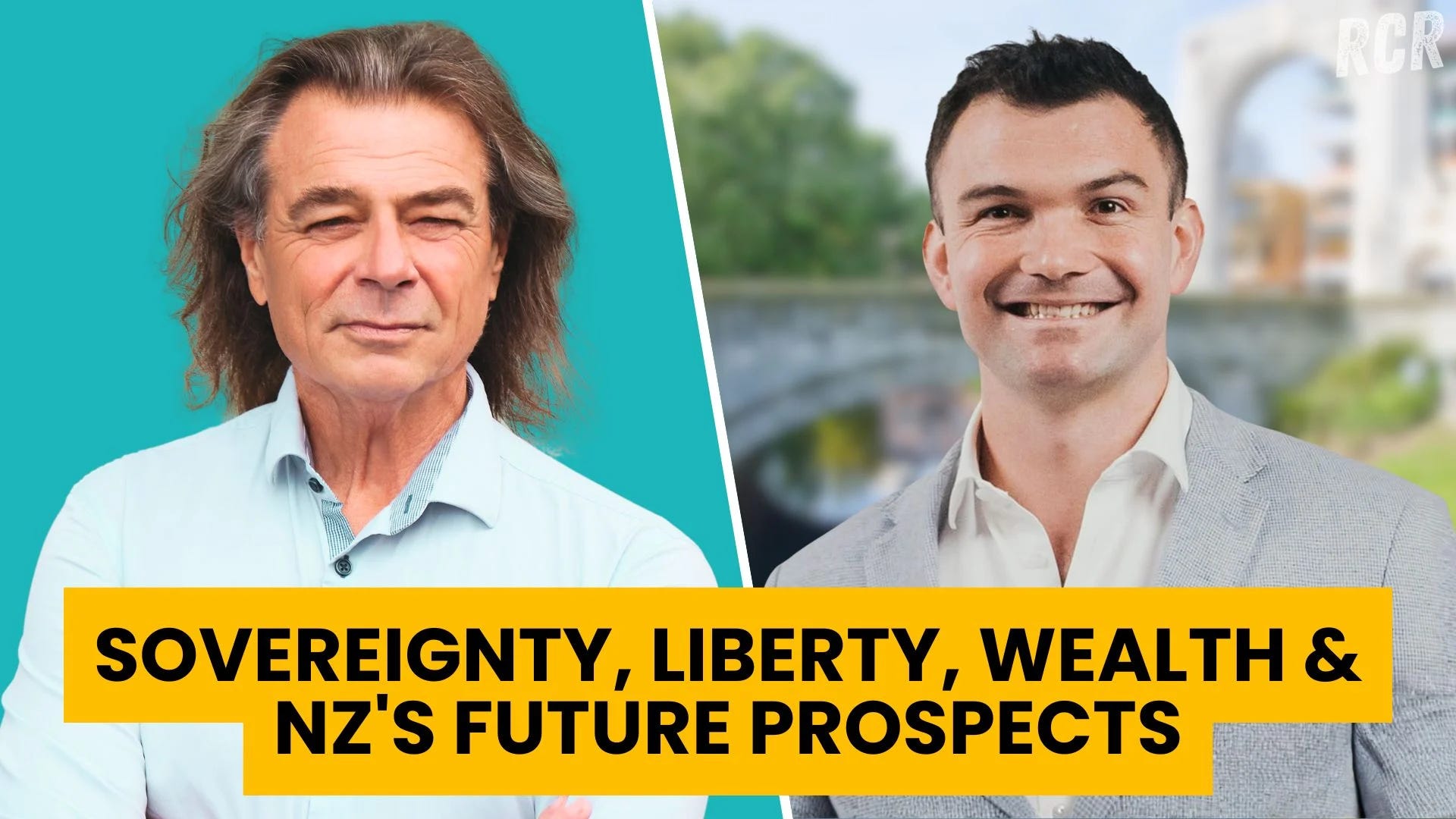
But in an election year, his voice is being amplified by both mainstream media and social media algorithms. And whether or not he knows it, Horncastle is part of what’s known in academic circles as the Anger-tainment Flywheel. And he’s far from alone - as we edge closer to the election, these type of influencers are growing in number.
It’s not a new technique but it hasn’t ever really been utilised here to this level before. The way it works is pretty simple though - the outrage of right wing micro-influencers is built around a specific structural loop.
There’s the authenticity trap - big influencers, they usually look polished or even sponsored. You’d find a decked out studio, very well produced technical content. But the Micro-influencer relies on a more raw truth and anti establishment vibe - the production values aren’t there, at least in the beginning - and this feeds into the feeling of authenticity for the audience.
Their content feeds into algorithmic rage optimisation - we know social media feeds on rage and division because it drives engagement. The righteous indignation, the feelings of betrayal and fear from those authentic feeling content pieces, they’re catnip to the machinery.
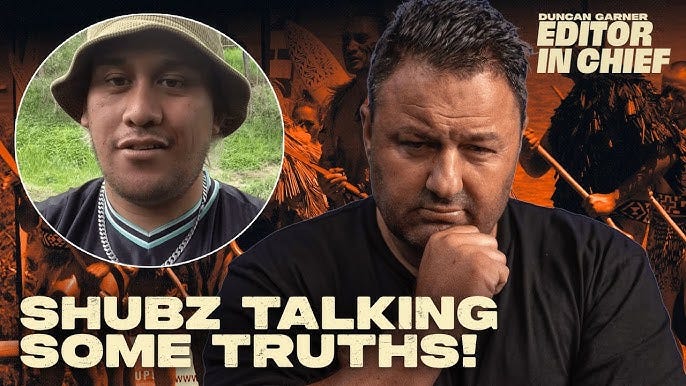
And then there’s the personal connection - these creators will often be really active with their audiences in some way. That personal connection will grow audiences and then the shift to being more politically active doesn’t come as a shock to audiences. The controversial creator known as Shubz is a perfect example of this - started off as a tik toker making personal observations that appealed to an audience who often felt under represented, ended up fundraising through that platform, and now has a podcast which has very strong connections with known right wing astroturf groups, Hobsons Pledge and the Free Speech Union.
There’s a bit of a pipeline as well for creators and commentators to go through to get onto this flywheel. They generally start with something lifestyle related. It might be Fitness, or grind culture, off the grid living or crypto - and the political messaging starts slowly, sandwiched between other content and becomes more prominent until it becomes a core part of their content identity. And in an election year, it’s understandable people are more aware of politics.
The problem we have though in a really specifically Aotearoa context is that we already have what some describe as the most right wing government we have ever had and the majority of these pop up political commentators want us to move further right. The raging anger that drives the audience reach, when you have a government that you broadly agree with means you need to find more extreme things to be triggered by - so the framing shifts to the coalition being insufficient, weak and compromised - so they’ve betrayed the cause.
And that’s why the rise of these micro-influencers tends to be in support of New Zealand First and to a lesser extent, Act. NZ First is a party that has been involved with the government of the day almost continuously for 20 years but it’s followers still fall for the line that they’re the only ones who can sort the problems they created. The end result, is a shift of the overton window, especially in those people who worry about how woke David Seymour is.
But there are some serious issues that can be caused by this overton shift and dedicated pressure. It keeps specific voting blocs on high alert on topics they push as bad, like co-governance or culture war topics. And the NZSIS has stated very clearly, that grievance is major catalyst towards the increase of Identity Motivated Violent Extremism concerns they see as the most viable threat to public safety, and these pathways are created through exactly the topics and approaches we are seeing these micro-influencers push and promote. The research is really clear, a steady diet of shitty people saying shitty extreme things desensitises us to what they’re saying. The ways a micro-influencer sandwich in political rants then move to making them more overt in their overall content is a driver for more volatile, grievance based world views. And there is a clear intersectionality of vulnerable people who mobilise toward both identity motived extremism and hard right wing micro influencers.
The constant social friction created by these influencers, their supporters and proxies, these are building the exact radicalisation environment that pushes individuals towards that violent identity based extremism.
And there are two political Parties that not only benefit from this, but are part of their orchestration - Act and New Zealand First.
NZ First leans heavily on the Populist anti-establishment and nationalist sentiments a lot of these creators create content around. The Citizen Journalists, the “truthers”. NZ First MPs and more and more of their candidates, are regular guests in the echo chambers of alternative media. Those alternative media outlets feed into content created by tik tokkers like Shubz and others that keep appearing out of the rotten woodwork as the election gets closer. It creates a sense of a brave establishment figure willing to speak the raw truth - and there’s numerous examples of creators online parroting that line and sharing that belief despite the decades of evidence to the contrary. There are however members within the Freedom Community itself who oppose this push and feel it’s clearly being orchestrated by prominent grifters who seem to get some reward for promoting NZ First ideology - although the source of this does make me pause.
For Act, they work more closely with formalised groups, like Jordan Wiliams stable of astroturfs - the Free Speech union, the taxpayers union, the Auckland ratepayers Alliance, Sensible Sentencing Trust, even Hobsons Pledge. They’ll launder data and stats formulated and framed by these groups to legitimise the faux libertarian world view they promote themselves on and create their own counter content to MSM to highlight the difference in approaches that speak to their audience.
And both of these techniques bypass our piss weak lobby and influence laws as well as our laws on electioneering and third party promotion and there is no accountability for the results or actions.
During the election, we can expect more of this. Echo chamber attacks stripped of context on our social media feeds. Without scrutiny or accuracy regulation - just driving an emotive wedge into the audience.
So how do we counter what is designed to mislead and drive anger to push us all to the right?
Well you can start by avoiding their content. Report it as misleading or election misinformation or spam then block it. That action tells your algorithms they have no power here.
And keep an eye on community pages as well - the election season will see partisan political players use community pages to share their content. File formal complaints if this goes against the page Terms and ask for political disclosure.
Point out to others the fallacy of the raw aesthetic on their content. Do you really think a nepo baby who pays thousands to sit next to the Prime Minister can’t afford a decent set up to make content? Or someone who was given resources by a lobby group with mysterious funding sources they refuse to release publicly and a team to help set up their show and guest lists is doing this without any resources? Ask yourselvers three quick questions - is this creator using a sandwiched narrative to slide political commentary in, are they utilising pre-packaged assets like OIA snippets, or slogans lobby groups use, and where does the money come from?
In public events and meetings, ask the candidates about links to these creators, or wider group affiliations - NZ First for example now has two former New Conservative members who were also spokespeople for Hobsons Pledge in their candidate list this year. That should be pointed out to voters.
And support local independent Journalism. These creators live in a parallel architecture because local newsrooms have been hollowed out. Countering decentralised disinformation requires funding and supporting robust, independent journalism that has the resource capability to investigate complex issues thoroughly - because social media isn’t designed for that. It’s designed for fast, emotive and raw reactionary content.
And finally - we will never be able to fix the issues caused by these creators if we are just trying to fact check harder. And of course, even though the experts agree there is a clear and dangerous overlap between a lot of what these micro creators and influencers are saying and the most concerning terrorist ideologies in the country, there is free speech to take on board as well, there is hope we can change things.
Moving to pre-bunking - by showing people how these groups work, how these influencers hit a specific sore point in audiences that feel disconnected and showing people the manipulation techniques before hand, can help people recognise and then counter the stuff they’re seeing.
There’s also a growing trend for digital natives to push back on algorithmic exploitation and are working to make sure their peers are more aware of how these work and impact what they see to help them become more digitally resilient are beginning to form.
And we need to continue the pressure to reform our systems of promotion and media accountability. The current coalition have been actively working to dismantle those regulations which naturally benefits those who support them. But it is an election year and making sure candidates are aware of not just the power of working regulation in media, the importance of reform in the area due to changing technologies and the impacts of not doing anything is important. Making sure they’re aware of te need to update electoral third party promoter loopholes is also important so it limits how proxies can be manipulated.
Ultimately the goal for us all should be to restore critical friction - not emotional reactions. We need to create a society where people can say the things they say and the audience can respectfully disagree because these rising systems need one thing above all else - a passive audience. As soon as we start to become active, discerning participants in the information economy, we will see a balance in power.
I've seen this firsthand- it's horrendous how hateful some people's feeds are...riling them up to comment on every stupid headline & never (ever!) checking facts. It must be exhausting staying that angry all the time.