

The Immaculate Election Race
The Dangers of Horse Race Election Coverage

In Manilla, there’s an area known as Intramuros - it’s the old Spanish quarter of the city, walled off from the rest of Manila, some buildings there date back further than the first European encounters with Tangata Whenua. One of the grandest buildings here is the Manila Cathedral - Now in it’s eighth incarnation, a church has stood at this spot for 455 years, and due to earthquakes, fires, war and revolution, it has been rebuilt, restored and re-sanctified by Popes. And it claims to house a piece of the true cross of Christ.
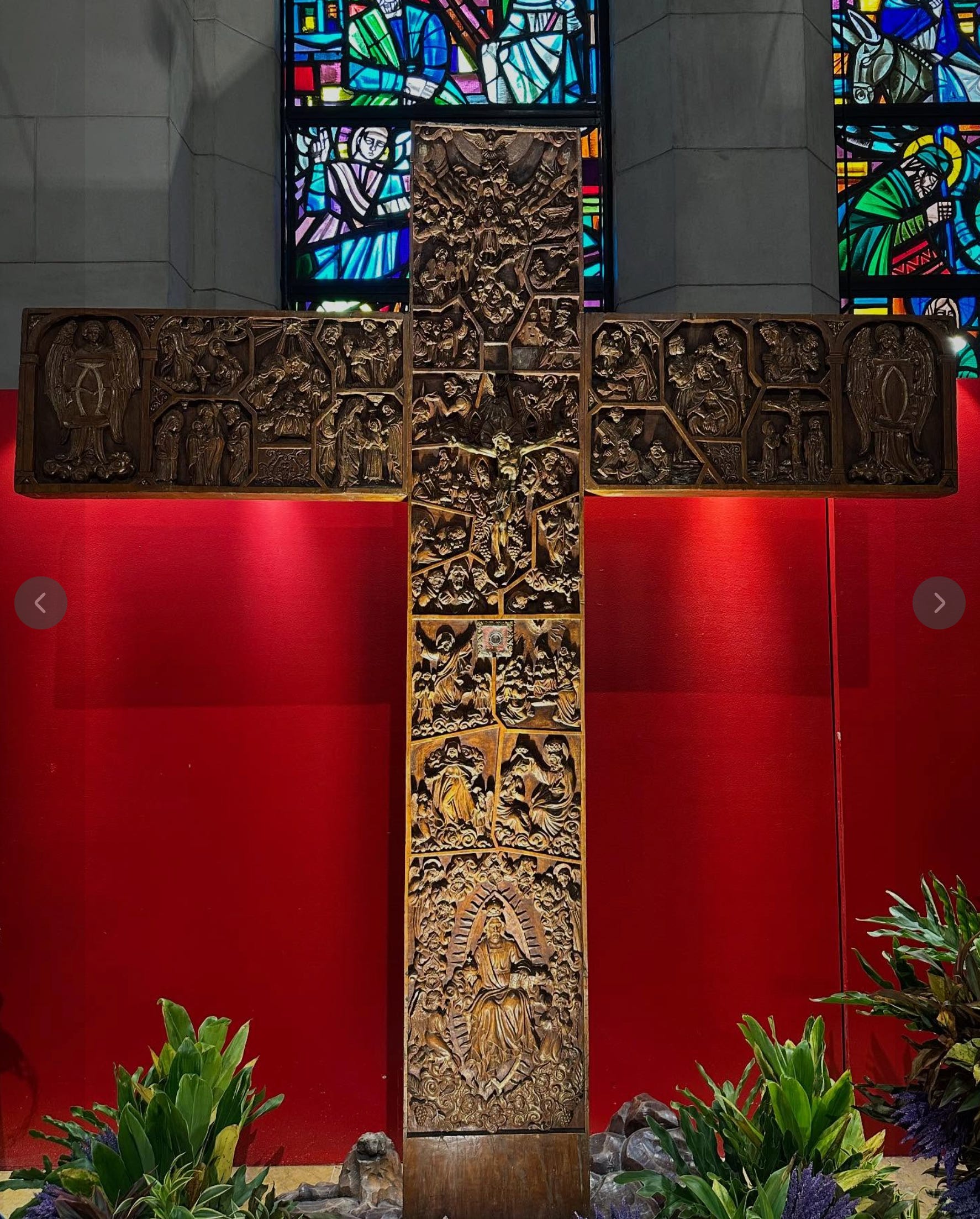
Now I am not religious, but I certainly understand the significance of what a relic like this must mean to so many. According to Catholic doctrine, the claim is authentic. As far as the Catholic church is concerned, they believe this to be a 2000 year old shard of the true cross Jesus was crucified on. It sits in its own sparse, unassuming anti-chamber, inlayed into a larger display, the proclaimed cross piece is about the size of a ten cent piece.
To enter the room with the relic, you turn left upon entering the Cathedral, and if you turn right, you enter the gift shop. A small space about the same size as the room with the cross - this one though is filled with rosary beads, mass produced icons of religious figures, playing cards and tourist mementos galore. The mystery of a relic of huge significance to so many, one many make long pilgrimages to be in the presence of, eclipsed in many ways by the efficiency of a souvenir stand.
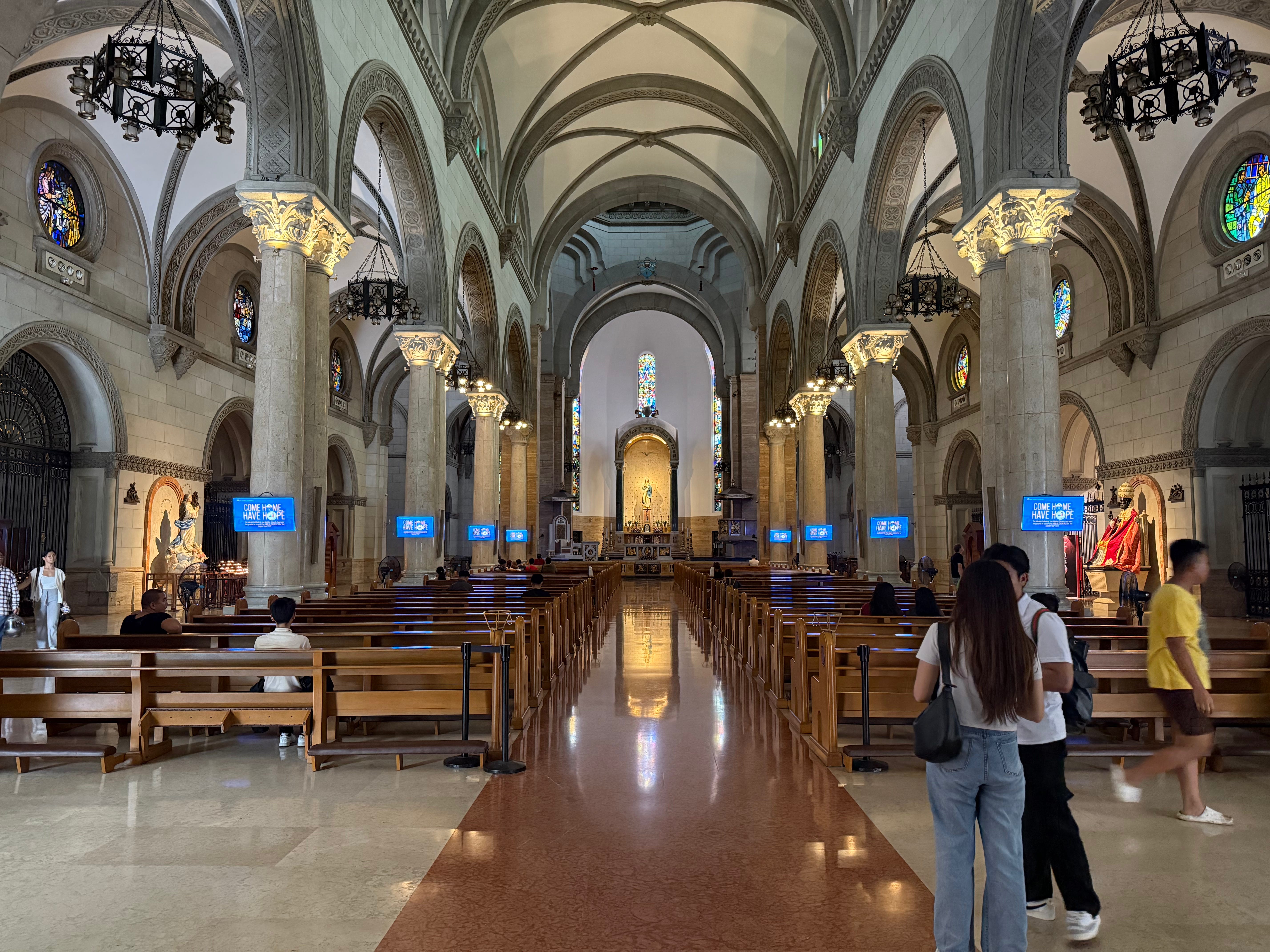
It’s not misleading, but it is all about steering people, there’s signs which point to the gift shop, and smaller signs that point to the relic and in a way, this is how our modern election coverage works here.
The relic is democracy itself, a profound and important collective decision we all must make, choosing the future direction of the country where, because of our MMP system, the number of potential outcome permeations is huge. While the gift shop, like our media, tries to sell us a knock off, homogenised versions of it through what is known as a horse race commentary.
We’ve already seen multiple times this year, media get in a fired up frenzy over Christopher Luxon’s unpopularity and the potential of him losing his job and if anyone in National was the least unpopular choice to take over. I’ve constantly heard “Labour would trounce in if they swapped leaders”, and some polls and media focus on this framing, pitting leaders against each other in popularity stakes. And that’s not to say that’s not true - but it’s also not how our system is designed. Under an MMP system, we get to choose where our two votes go, we can choose a party and a candidate to represent our area but our political media has, for as long as we have had MMP, struggled to get past a horse race style coverage model.
But every time there’s a new poll, the coverage across outlets is Big Party vs Big Party - and that’s often fed by the poll itself, the TPU Curia Poll, a tool set up by a known right wing lobby group with unknown and mysterious funders, is laundered by mainstream media every month and they run a preferred PM element of their polls. But we don’t vote for that - we vote for a party and a local MP. It’s why, when John Key and Jacinda Ardern stepped down, we didn’t see early elections triggered, it’s a feature built into our system. But there are some serious issues with media presenting the election in such a simplified way.
It’s actually pretty dangerous to smaller parties - the 5% threshold is so important to our system but when a minor party polls below that, but close to it, we often see the media narrative shift from analysing their policy to speculating if a vote for them is actually a wasted vote. In 2023, NZ First was the recipient of this and it wasn’t until Christopher Luxon said he would work with Winston Peters, that we saw some voters decide that it was worth the risk to vote for them. This year, it looks like Opportunities might be on the receiving end of this coverage. They seem to be increasing their support in the polls and until they cross that threshold, the media will play that “is it worth it” card, potentially spooking voters.
There’s also the risk this has to actual policy debate and outcome analysis. I’m lucky, I can ramble on in these newsletters or in videos talking for 15 minutes on 25 racist things the coalition has done - but mainstream media can’t. The way they cover politics is, by dint of the formats they use, usually short, sharp, soundbite driven. It’s one of my personal frustrations when media takes a single line from a politician and runs it without context that suddenly changes how the public see an issue. NZME titles this week did that with stories about how Labour won’t say what goes in their proposed future fund until after they’re elected because of the Treaty. Labour has said from the outset they can’t give a full list until they’re elected because they need to access and change some ownership and reporting structures within a range of state owned assets before they can be used for this - and yeah, that involves being aware of treaty obligations because that’s what our country is founed on.
This soundbite drive can lead to a weaponisation of strategic voting. We can see this in how coverage of bad polls for the coalition get framed - suddenly it’s all “who will govern, who holds the balance of power” and whether a vote for a minor party will let in “the other side”. But this downplays the actual nuance of policy each party has - it might be how Labour is focusing on the impact of knock on outcomes by looking at funding for primary health care and it’s savings in emergency and long term need care, or it might be how New Zealand First think woke is something they should crusade against like Don Coyote and his windmills. The nuance should be far more important in coverage but it isn’t and cant be while we see everything as a horse race with a finish line and not a proportional representation of the wants of voters.
This race has also led to the wild centrism we see in party leaders. A focus on leadership means party leaders feel the need to play it safe - to avoid impacting the polls for their party. The last thing the Chris’ want is to be seen as stepping out and impacting their polling but as much as we want to believe we vote based on policy, the wider public do take on board the leadership of that party, and part of the reason for that is they are framed as part of the race. We end up with bland centrist stagnation but interestingly it’s when the party leaders step out from this and show some fire, some drive, that voters seem to respond more favourably. Hipkins sees improvements in his numbers when he shows his passion and Luxon has never shown us what he’s passionate about and never been popular. And outspoken leaders we do have, well the media frames them in different ways - on the right, they’re seen as a firebrand, a rogue hero of sorts. Winston and David - they know this and play into this in media stand ups. Marama, Chloe, Debbie and Rawiri, they have the opposite coverage - passionate leaders who get belittled by others and media for being passionate about the way their role impacts voters - just watch the videos of Ryan Bridge talking to Chloe and David side by side - you can see clear ways the two are treated differently at the same time.
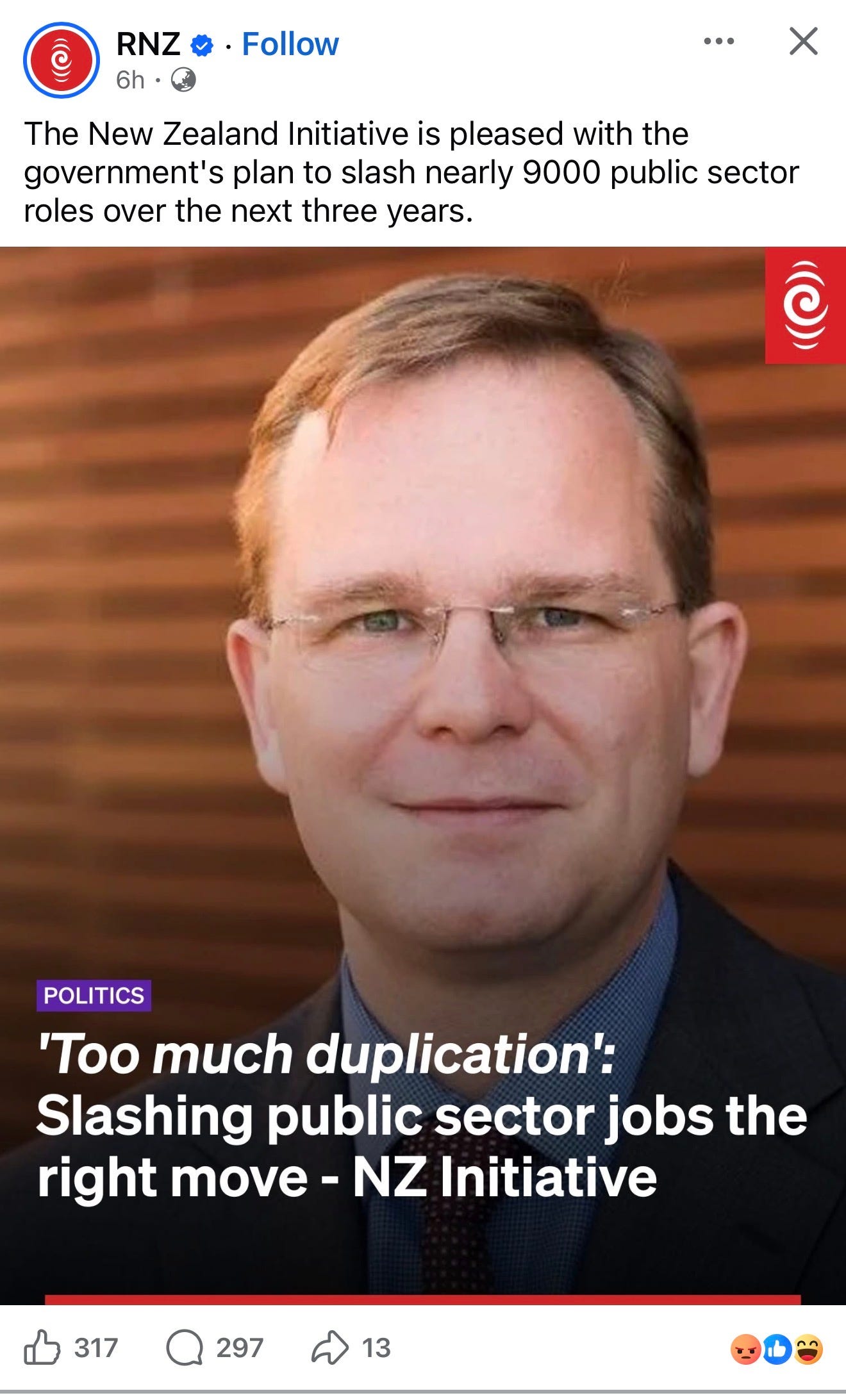
And of course, in this mix we have our empire of Atlas - the lobby groups making noise. They don’t need to win any arguments, they just need to have the media real estate to push their narratives. We have one of the loosest lobby regulations in the world and it shows. RNZ this week, a non-commercial public broadcaster, again platformed lobbyist astroturf groups to explicitly support the government call to cull 9000 workers. Jordan Williams regularly tweets about things he can add to the Curia poll to get media coverage, knowing media will uncritically run his content. Ani O’Brien, who is on the Campaign Company Payroll as a Free Speech Union board member and Tax Payers Union spokesperson, she just needs to write “I heard a rumour” and the media cover it like it’s gospel because these groups have undue influence in our media. And we can’t ban the gift shop - we can’t actually outlaw them - but we can regulate them. the European Union, the UK and the USA of all places, they have tighter laws on this than we do and they’re simple and effective. They have a register of lobbyists, they have laws that make it illegal to pay people to pose as regular citizens, clear disclosure laws around content sources from organisations and lobbyists, fines for companies that build astroturf groups. In Germany, any new Bill must explicitly list which lobby groups targeted that Bill, what they requested and and how much they spent on that campaign. But outlawing political influence just drives it underground - sunlight and transparency is the best way of fighting it - and their influence on our media horse race for the election coverage. If any piece of content published, be that from RNZ or on Newstalk is sourced from a registered lobby group, voters should be made aware so they can decide how important it is to them, not be told it’s important without context.
So how do we get better at this?
Well as viewers, readers and voters, we need to learn to recognise the terms that frame the race - “climbing in the polls, suffered a blow, neck-and-neck, gaining momentum” - these over simplify complex and nuanced issues and events. Look at how media covers who gets impacted by decisions and policies. You’re much more likely to see nuance in that approach.
Focus on stakes, over odds. Polls are great tools for creating a focus on the numbers and dramatic headlines but that usually over rides the impacts of what happens to the country if they win. See if you can find platforms that avoid the “odds” coverage and look at structural consequences of a party’s platform.
And remember the power of your click - it’s what media use to sell advertising dollars. A horse race election coverage is cheap to make and drives engagement but means you end up with voters voting for parties whose policies they don’t realise are harmful to themselves and others. Audiences have the power to reshape the media landscape by practicing intentional consumption. Do that by bookmarking, sharing and subscribing to outlets or independent newsletters (not just this one, but you should if you haven’t). Don’t comment and share or quote tweet the spectacle of a horse race coverage. The algorithm doesn’t care if you do that in anger or not, it’s engagement so it counts. And if you’re comfortable with it, engage with media directly through letters to the editor or tagging social media outlets to ask what are the policy mechanisms on offer, what makes it different to the alternatives. Use that as a way to demand quality over quantity in coverage.
You just need to look at this week in Parliament to see what happens when you elect people based on vibes and headlines. Culture War shittiness, thousands in the firing line to rely on AI, and surprise last minute law changes to force industries into line that showed dissent. And it feels like this is not being all that respectful to the relic - democracy that we all have access to.